Airports
Burlington International (BTV) – 45 minutes to Stowe, 10 minutes to downtown Burlington
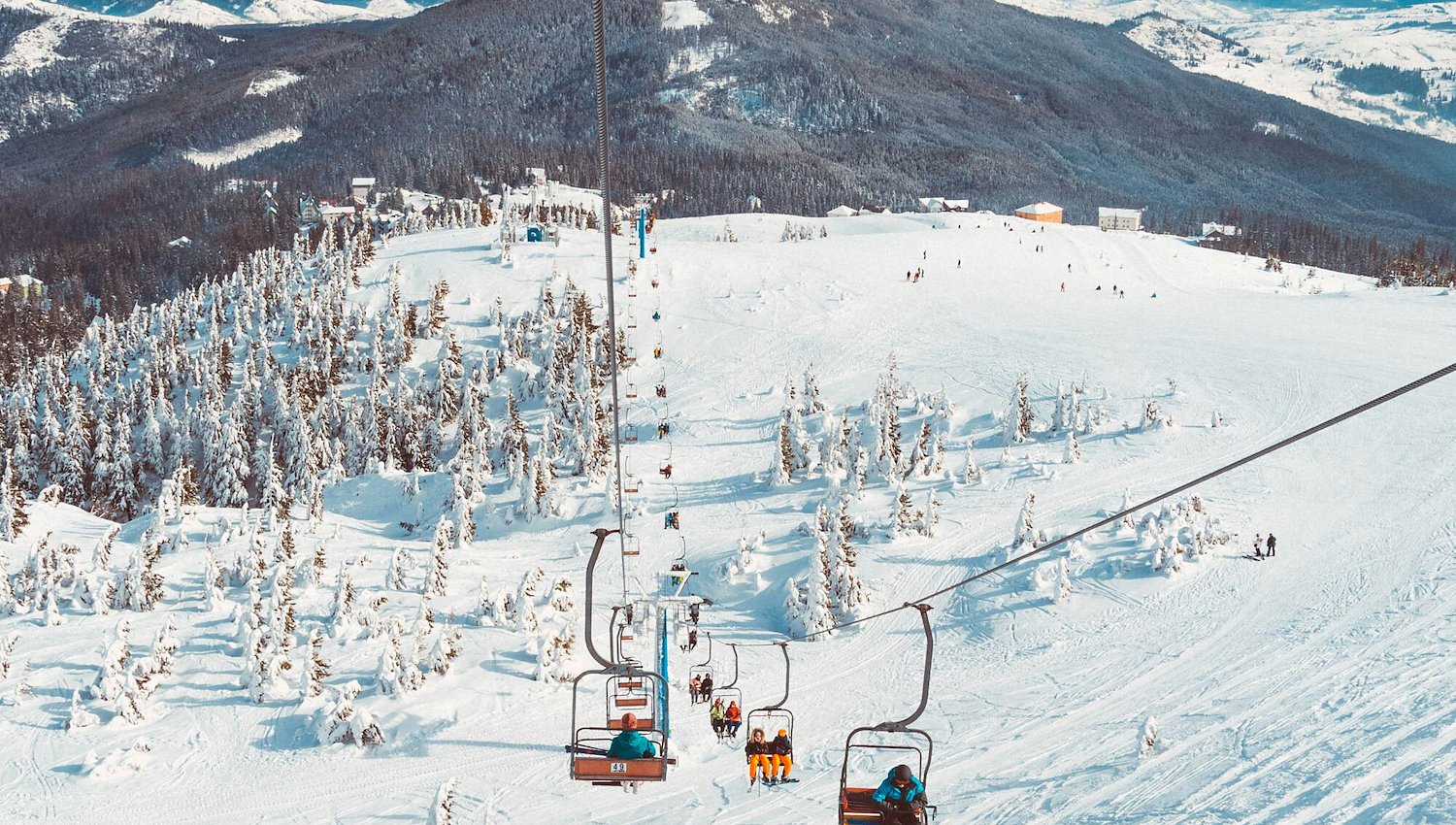
The Green Mountains run the length of Vermont, 160 miles from Massachusetts to Canada, dividing the state into east and west. It's the second-smallest state by population, with more unpaved roads than paved ones in some counties. White-steepled villages fill the valleys while forested ridges rise above, crisscrossed with ski trails and hiking paths. In fall, the maples turn first, then the birches, until whole mountainsides glow amber and crimson against the dark green spruce.

Mount Mansfield, at 4,393 feet, is Vermont's highest peak. The Long Trail runs 272 miles along the ridge, the oldest long-distance hiking trail in the country. Below the treeline, the Green Mountain National Forest covers 400,000 acres of protected land. The air smells of balsam fir, and underfoot, the trails shift from packed dirt to exposed granite as you climb.
Vermont's economy still runs on agriculture. Dairy farms dot the valleys, and sugarhouses produce more maple syrup here than anywhere else in the country. In late winter, steam rises from the evaporator houses on cold mornings as the sap boils down. General stores sell cheese from the farm down the road. Diners pour syrup that was made a few miles away.
Burlington, Vermont's largest city, sits on the shore of Lake Champlain, which stretches 120 miles along the New York border, while the Adirondacks rise on the far shore. Church Street Marketplace, a pedestrian thoroughfare downtown, fills with the smell of roasting coffee and the sound of acoustic guitars drifting from doorways. It's urban by Vermont standards, but still compact enough to walk end to end in fifteen minutes.
Peak foliage runs from the last week of September through the second week of October, with higher elevations turning first. Ski season peaks January through February. Sugarhouses open their doors in March for tours and tastings. Book well ahead for fall weekends and ski holidays since rooms fill early.
The state's largest city, with a walkable downtown and waterfront dining along the lake. Blind Tiger Burlington offers 14 rooms and on-site small plates.
Known as the ski capital of the East, Stowe has drawn winter visitors since the 1930s.